Tomatoes
Culinary Use, Storage, & Benefits
Vegetable Profile: Tomato (Lycopersicon esculentum)
Description
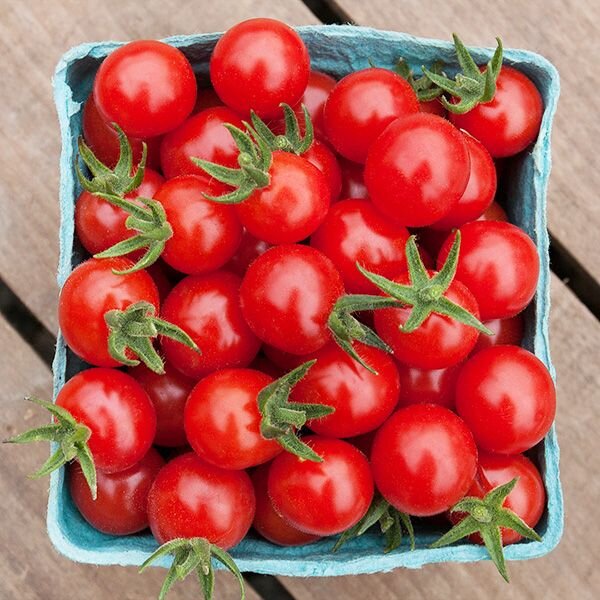
Originally from Central and South America, tomatoes are now grown and beloved all over the world. They are available in an amazing array of varieties, and come in a number of different types: cherry, pear, roma, beefsteak, and slicers. These are one of the most demanding and rewarding crops on our farm, and summer wouldn't be the same without beautiful, juicy, flavorful tomatoes harvested ripe and fresh from the vine.
Nutrition
Tomatoes are cooling and hydrating. They are known for the antioxidant lycopene, which promotes healthy vision. This nutrient is actually higher in cooked tomatoes than in raw. Vine-ripened, fresh raw tomatoes are great sources of vitamin C, B complex, potassium, and phosphorus. They are rich in sugar and moderate fiber content.
Storage
The tomatoes we grow at Wellspring are not the same varieties grown on large scale farms to be shipped hundreds or thousands of miles. We grow tomatoes selected for superior flavor, disease resistance, and put special emphasis on heirloom varieties. Therefore, they are TENDER, bruise easily, and need to be used up quickly. Don't refrigerate them for best flavor. You can, however, freeze whole tomatoes in a freezer bag for cooking down later.
Use
Fresh: simply slice and add to dishes and sandwiches!
Cooked: add tomatoes to rice with spices for Spanish rice, or take low-moisture romas to cook down and make pasta sauce or tomato paste.
Sources:
The New Whole Foods Encyclopedia by Rebecca Wood
Asparagus to Zucchini by Fairshare Coalition
Produce: A fruit and vegetable lover's guide by Bruce Beck
Our own experience!
Explore Tomato Recipes


Super easy slow cooker recipe for ratatouille, the rich and freezer-friendly soup version!
Shop for Tomato Seedlings

SCIENTIFIC NAME:
Solanum lycopersicum
VARIETIES:
"Sun Gold". Intense fruity flavor. Exceptionally sweet, bright tangerine-orange cherry tomatoes leave everyone begging for more. Vigorous plants start yielding early and bear right through the season. Tendency to split precludes shipping, making these an exclusively fresh-market treat. The taste can't be beat. High resistance to fusarium wilt and tobacco mosaic virus. Indeterminate. Seed source and photo: Johnny’s Selected Seeds
CULTURE:
Transplant into medium-rich garden or field soil 12-24" apart for determinate varieties, 24-36" apart for indeterminate, unstaked varieties, and 14-20" for staking. Plant 3-8" inches deep, covering the root ball well and up to the cotyledons (first leaves). If using grafted plants, take care to ensure the graft union is not touching soil. Water seedlings with a high-phosphate fertilizer solution. For earliest crops, set plants out around the last frost date under floating row covers, which will protect from frost to about 28°F (-2°C). If possible, avoid setting out unprotected plants until night temperatures are over 45°F (7°C). Frost will cause severe damage. Abundant soil phosphorus is important for early high yields. Too much nitrogen causes rampant growth and soft fruits susceptible to rot.

SCIENTIFIC NAME:
Solanum lycopersicum
VARIETIES:
"Indigo Cherry Drops". Indigo Cherry Drops has the same striking, dark blue anthocyanin coloration and red flesh, but the plant habit is much improved; instead of the small semi-determinate growth habit of Indigo Rose, Indigo Cherry Drops is a vigorous indeterminate. Yield and flavor are much improved, with larger clusters of 1–2 oz. fruit. Indeterminate. Seed source and photo: Johnny’s Selected Seeds
CULTURE:
Transplant into medium-rich garden or field soil 12-24" apart for determinate varieties, 24-36" apart for indeterminate, unstaked varieties, and 14-20" for staking. Plant 3-8" inches deep, covering the root ball well and up to the cotyledons (first leaves). If using grafted plants, take care to ensure the graft union is not touching soil. Water seedlings with a high-phosphate fertilizer solution. For earliest crops, set plants out around the last frost date under floating row covers, which will protect from frost to about 28°F (-2°C). If possible, avoid setting out unprotected plants until night temperatures are over 45°F (7°C). Frost will cause severe damage. Abundant soil phosphorus is important for early high yields. Too much nitrogen causes rampant growth and soft fruits susceptible to rot.

SCIENTIFIC NAME
Solanum lycopersicum
VARIETY
“Nebraska Wedding”. This tomato was in Nebraska churches as both a garnish and a decoration predicting a prosperous marriage. The Nebraska Wedding Tomato is a 4 inch, round, orange fruit with a fine flavor and grows abundantly. Newlyweds saved the seeds from their wedding tomatoes to start their farm lives. Seed source and photo: High Mowing Seeds
CULTURE
Transplant into medium-rich garden or field soil 12-24" apart for determinate varieties, 24-36" apart for indeterminate, unstaked varieties, and 14-20" for staking. Plant 3-8" inches deep, covering the root ball well and up to the cotyledons (first leaves). If using grafted plants, take care to ensure the graft union is not touching soil. Water seedlings with a high-phosphate fertilizer solution. For earliest crops, set plants out around the last frost date under floating row covers, which will protect from frost to about 28°F (-2°C). If possible, avoid setting out unprotected plants until night temperatures are over 45°F (7°C). Frost will cause severe damage. Abundant soil phosphorus is important for early high yields. Too much nitrogen causes rampant growth and soft fruits susceptible to rot.

SCIENTIFIC NAME:
Solanum lycopersicum
VARIETIES:
"San Marzano’. Heirloom originating from Parma, Italy, this paste tomato is one of the best on the market. Easy to skin and cook down quickly, with a classic look and taste. Seed source and photo: High Mowing SeedsIndeterminate.
CULTURE:
Transplant into medium-rich garden or field soil 12-24" apart for determinate varieties, 24-36" apart for indeterminate, unstaked varieties, and 14-20" for staking. Plant 3-8" inches deep, covering the root ball well and up to the cotyledons (first leaves). If using grafted plants, take care to ensure the graft union is not touching soil. Water seedlings with a high-phosphate fertilizer solution. For earliest crops, set plants out around the last frost date under floating row covers, which will protect from frost to about 28°F (-2°C). If possible, avoid setting out unprotected plants until night temperatures are over 45°F (7°C). Frost will cause severe damage. Abundant soil phosphorus is important for early high yields. Too much nitrogen causes rampant growth and soft fruits susceptible to rot.

SCIENTIFIC NAME:
Solanum lycopersicum
VARIETY:
“Peacevine Cherry”. A de-hybridized selection of “Sweet 100” that carries its predecessor’s exceptional flavor and resistance to cracking. Productive indeterminate plants with many 1” fruits, high in vitamin C and amino acids. Seed source and photo: High Mowing Seeds
CULTURE:
Transplant into a medium-rich garden or field soil 12-24" apart for determinate varieties, 24-36" apart for indeterminate, unstaked varieties, and 14-20" for staking. Plant 3-8" inches deep, covering the root ball well and up to the cotyledons (first leaves). If using grafted plants, take care to ensure the graft union is not touching soil. Water seedlings with a high-phosphate fertilizer solution. For earliest crops, set plants out around the last frost date under floating row covers, which will protect from frost to about 28°F (-2°C). If possible, avoid setting out unprotected plants until night temperatures are over 45°F (7°C). Frost will cause severe damage. Abundant soil phosphorus is important for early high yields. Too much nitrogen causes rampant growth and soft fruits susceptible to rot.

SCIENTIFIC NAME:
Solanum lycopersicum
VARIETY:
"Striped German". Bicolor red and yellow fruit. The flat, medium to large tomatoes with variable shoulder ribbing are shaded yellow and red. The marbled interior looks beautiful sliced. The complex, fruity flavor and smooth texture. Medium-tall vines bear 12+ oz. fruit. Indeterminate. Seed source and photo: High Mowing Seeds
CULTURE:
Transplant into a medium-rich garden or field soil 12-24" apart for determinate varieties, 24-36" apart for indeterminate, unstaked varieties, and 14-20" for staking. Plant 3-8" inches deep, covering the root ball well and up to the cotyledons (first leaves). If using grafted plants, take care to ensure the graft union is not touching soil. Water seedlings with a high-phosphate fertilizer solution. For earliest crops, set plants out around the last frost date under floating row covers, which will protect from frost to about 28°F (-2°C). If possible, avoid setting out unprotected plants until night temperatures are over 45°F (7°C). Frost will cause severe damage. Abundant soil phosphorus is important for early high yields. Too much nitrogen causes rampant growth and soft fruits susceptible to rot.

SCIENTIFIC NAME:
Solanum lycopersicum
VARIETY:
"Cherokee Purple". Unusual variety with full flavor. Famously rich flavor and texture make this a colorful favorite among heirloom enthusiasts. Medium-large, flattened globe, 8-12 oz. fruits. Color is dusky pink with dark shoulders. Multilocular interior ranges from purple to brown to green. Relatively short vines. Indeterminate. Seed source and photo: High Mowing Seeds
CULTURE:
Transplant into a medium-rich garden or field soil 12-24" apart for determinate varieties, 24-36" apart for indeterminate, unstaked varieties, and 14-20" for staking. Plant 3-8" inches deep, covering the root ball well and up to the cotyledons (first leaves). If using grafted plants, take care to ensure the graft union is not touching soil. Water seedlings with a high-phosphate fertilizer solution. For earliest crops, set plants out around the last frost date under floating row covers, which will protect from frost to about 28°F (-2°C). If possible, avoid setting out unprotected plants until night temperatures are over 45°F (7°C). Frost will cause severe damage. Abundant soil phosphorus is important for early high yields. Too much nitrogen causes rampant growth and soft fruits susceptible to rot.

SCIENTIFIC NAME:
Solanum lycopersicum
VARIETY:
"Brandywine". Red type. One of the best-tasting tomatoes. We describe Brandywine's luscious, heirloom flavor as "very rich, loud, and distinctively spicy." The large fruits, often over 1 lb., have deep pink skin and smooth red flesh. The medium-tall, potato-leaf plant is best staked or caged. Seed Source and photo: High Mowing Seeds
CULTURE:
Transplant into a medium-rich garden or field soil 12-24" apart for determinate varieties, 24-36" apart for indeterminate, unstaked varieties, and 14-20" for staking. Plant 3-8" inches deep, covering the root ball well and up to the cotyledons (first leaves). If using grafted plants, take care to ensure the graft union is not touching soil. Water seedlings with a high-phosphate fertilizer solution. For earliest crops, set plants out around the last frost date under floating row covers, which will protect from frost to about 28°F (-2°C). If possible, avoid setting out unprotected plants until night temperatures are over 45°F (7°C). Frost will cause severe damage. Abundant soil phosphorus is important for early high yields. Too much nitrogen causes rampant growth and soft fruits susceptible to rot.
 Roxanne Hanna Ramirez
Roxanne is the farm’s herb grower and content creator. You can also find her in the greenhouse, in the field, and vending at farmer’s markets.
SCIENTIFIC NAME:
Solanum lycopersicum
VARIETIES:
“Moskvich”. Our favorite medium-sized slicer. High quality, early season red heirloom that rivals hybrids. Fruits are round to slightly flattened with deep red color and luscious, rich flavor. Great eaten fresh or processed. Highly resistant to cracking. Like all Russian tomatoes, it can stand up to cool conditions. Semi-determinate. Field or greenhouse. 4-6 oz. Seed source and photo: Johnny’s Selected Seeds
CULTURE:
Transplant into medium-rich garden or field soil 12-24" apart for determinate varieties, 24-36" apart for indeterminate, unstaked varieties, and 14-20" for staking. Plant 3-8" inches deep, covering the root ball well and up to the cotyledons (first leaves). If using grafted plants, take care to ensure the graft union is not touching soil. Water seedlings with a high-phosphate fertilizer solution. For earliest crops, set plants out around the last frost date under floating row covers, which will protect from frost to about 28°F (-2°C). If possible, avoid setting out unprotected plants until night temperatures are over 45°F (7°C). Frost will cause severe damage. Abundant soil phosphorus is important for early high yields. Too much nitrogen causes rampant growth and soft fruits susceptible to rot.
See tomato benefits, tips, & more!