Your Farm Summer: PPE recs for working outside
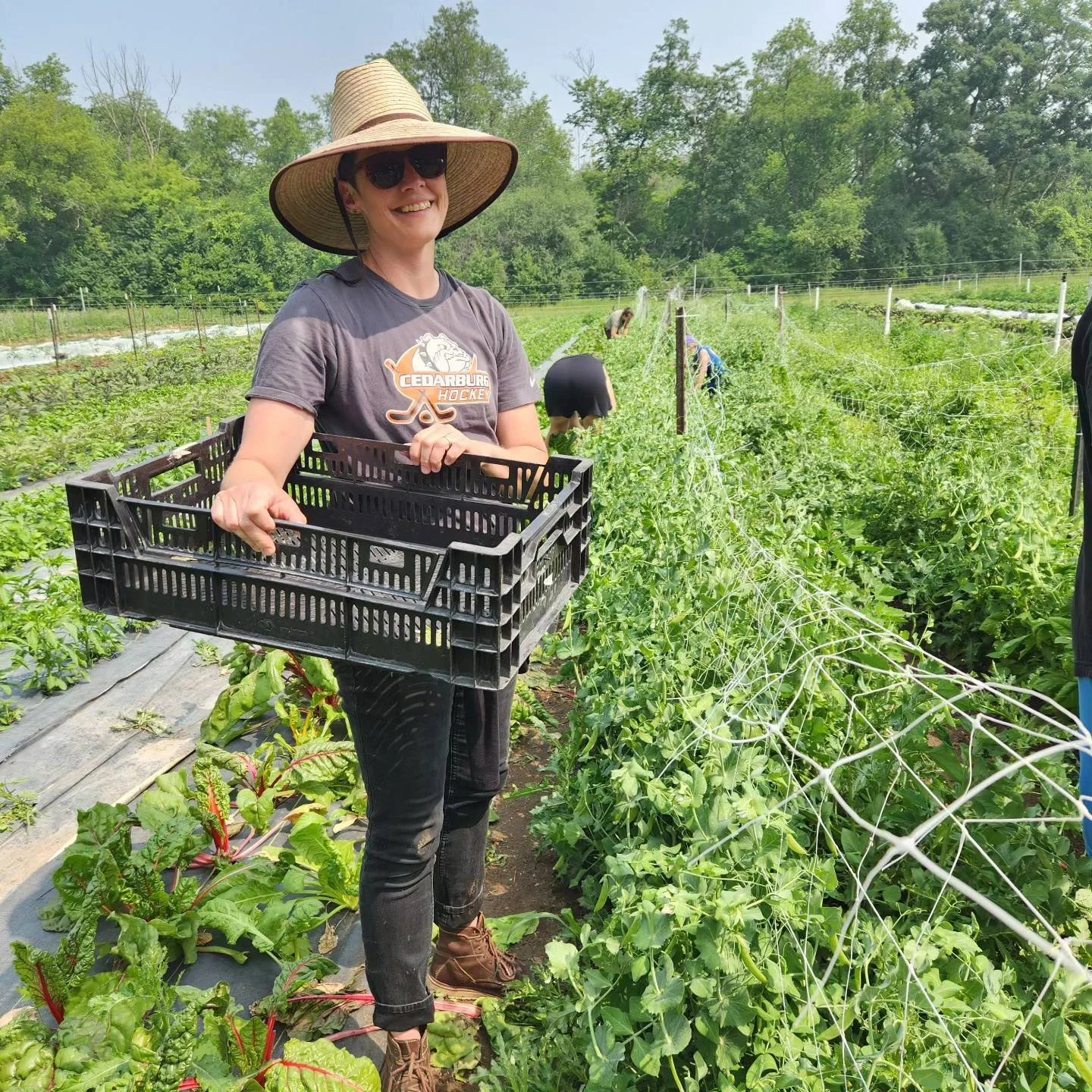
CSA season is right around the corner, and for us farmers, that means long hours working outside in all types of weather.
It also means that we will be welcoming our worker-share crew on the farm once a week for a 4-hour harvesting shift. In exchange, they receive a full-size CSA share. To apply, fill out an application today!
Over the years, we’ve seen the learning curve people undergo with they are working on a farm (or managing their own garden) for the first time. In the interest of smoothing out that curve as much as possible, here are some things to help you enjoy the summer growing season, rise to the challenges of nature, and (hopefully) avert the greatest hazard of our industry: burn-out.
PPE: personal protective equipment
Every year, folks learn the hard way that dressing for your farm shift is not the same as dressing for a day at the beach. Flipflops will trip you, thin or scant clothing leaves you exposed to thistle, mosquitos, and ticks, and while sunblock and insect spray can be important - it fails in the heat when you sweat it off in an hour. Don’t worry, though. We are here to help.
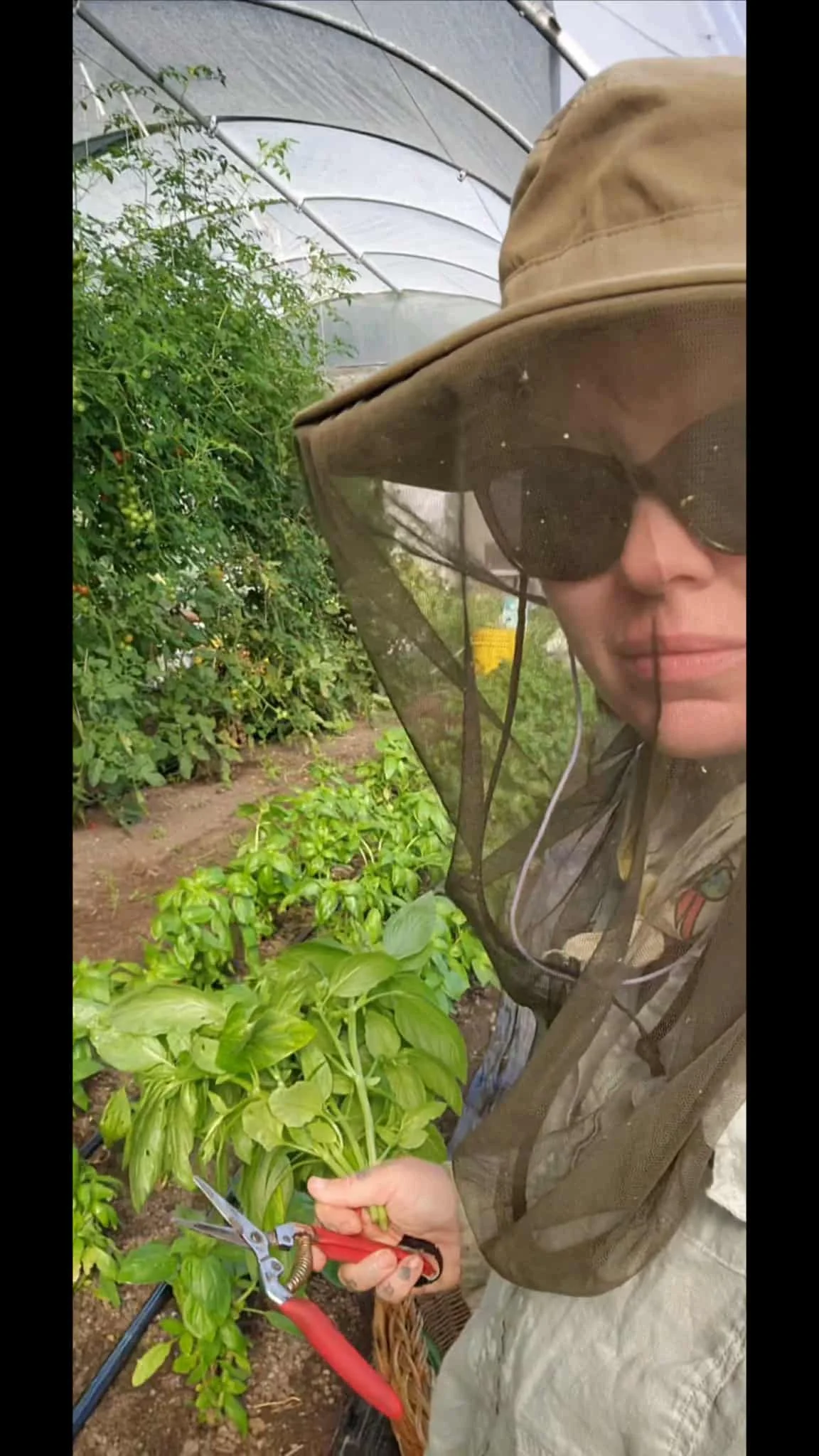
Harvesting basil during mosquito season, bugs covering my veil!
Recommended items of PPE to have on-hand when working on a farm:
Wide-brimmed hat, or other covering for your face and neck. Keeping the sun off your skin in the first place is key. You can either put a mosquito net over that as needed, or invest in a hat with it attached as I am wearing in the photo. Beekeeping veils also work well.
Loose, breathable clothing. When you wear leggings or tight-fitting t-shirts, bugs can bite right through the fabric. White and bright colored clothes are also helpful because they reflect light and make you harder to be seen by some insects, like wasps and mosquitos. In recent years I’ve adopted long sleeves more often, but that’s because I’m in the sun nearly every day and I’ve already done so much damage to my skin that sunblock doesn’t cut it. Linen is best, but there are also sun-shirts available anywhere you get fishing and camping gear.
Raincoat. Ideally, one that you don’t mind getting dirty.
Bring another pair of clothes with you to change into on the way home. You will be soaked in sweat, or water, or just dirty. Your way home can be made a bit more comfortable with a fresh shirt, slip-on shoes, and shorts to change into.
WATER BOTTLE. Bring one. Full stop.
Close-toed, flexible shoes. Sandals and crocs aren’t worth the thistle splinters, bug bites, or even poison ivy. You don’t need heavy-duty work boots, because you will be squatting and flexing your feet a lot and they can get beat up by a stiff sole. I prefer a Muck brand boot, or something similar. You will need a water-proof rain boot as needed for rain, as well.
If you are allergic to beestings, as in you may die if you get stung: bring your epi pen, and let whoever you’re farming with know. That will help us deal with the situation quickly if a sting does occur.
If you make sure you cover those bases, you will be fine. If you really want to up your game and ensure your comfort, or have certain sensitivities, there are a couple more items that I personally recommend. Especially if you are planning on spending more than 4 hours working outside.
Recommended extras
Note: I earn no commission for these recommendations so I won’t be dropping links. Feel free to shop around and find the best available version for you.
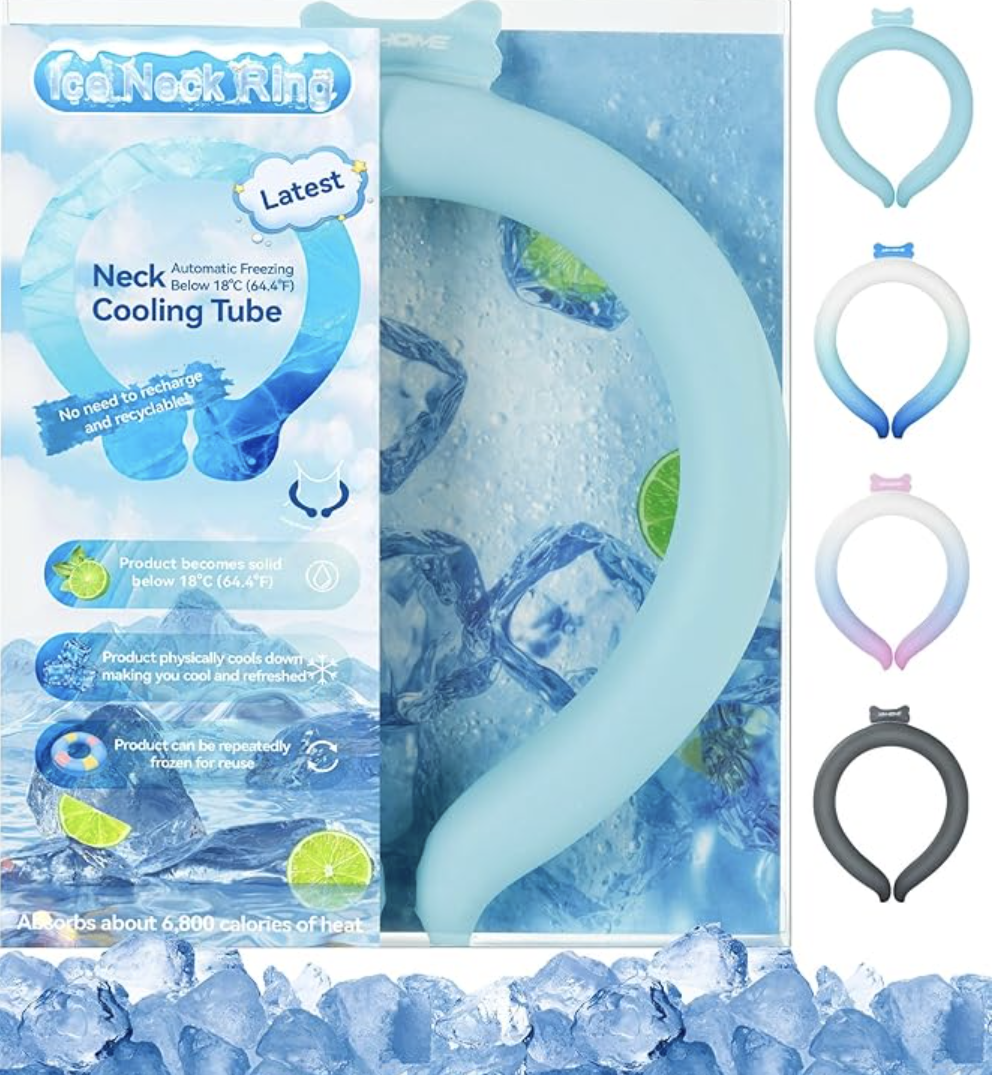
These neck rings stay in the fridge, so they’re cold enough to bring your temperature down while not being too-cold on the skin. They work because of the major arteries in your neck - cooling your blood down as it circulates.
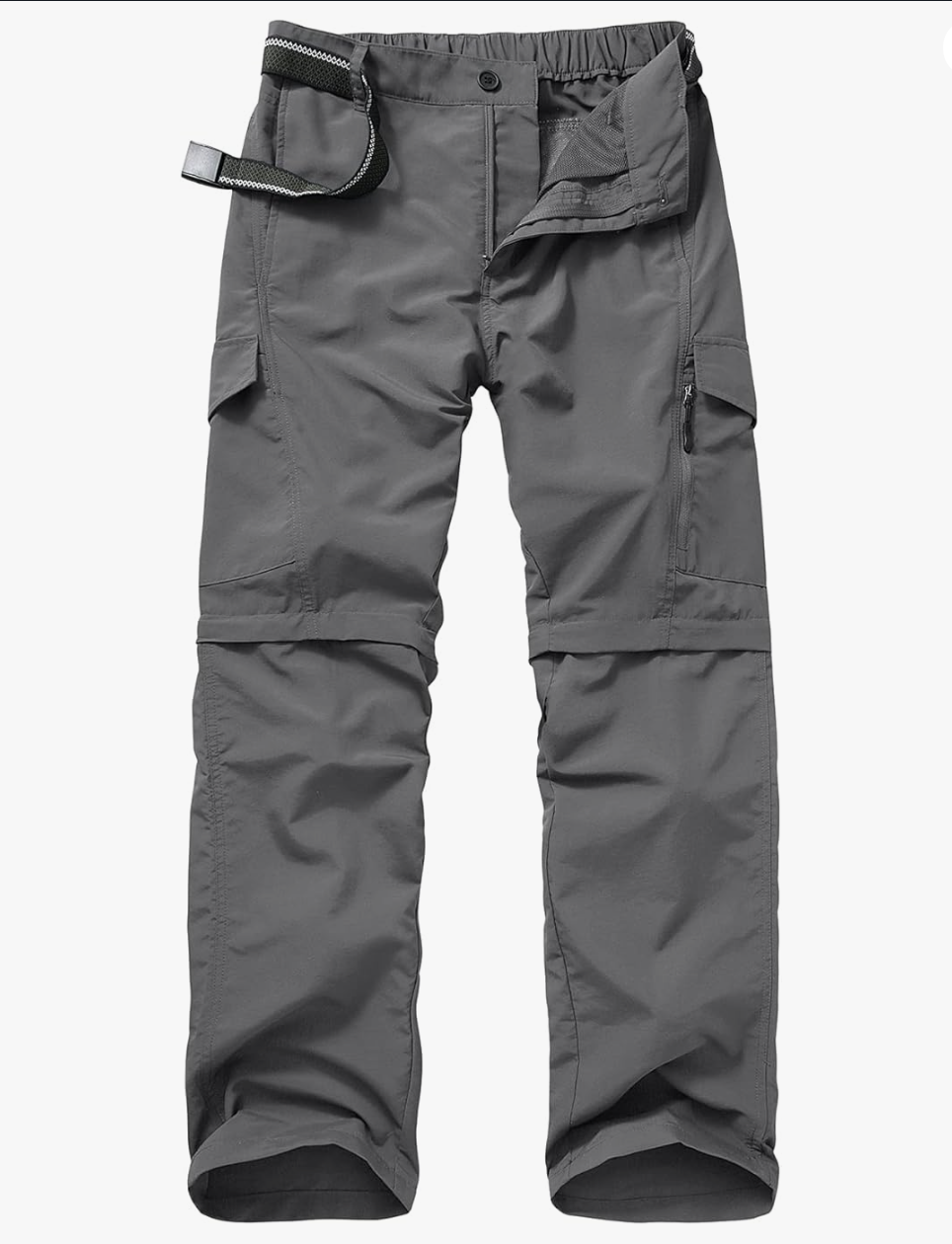
I am a big fan of zip-offs. Find some that are lightweight, and you have the option to loose the lower leg if you want, but the zipper also holds the fabric back from the thin skin at the back of your knees, where mosquiots love to dig in. They also have wonderful pockets for your phone, gloves, snips, headphones, chapstick, epi pen, or whatever you need.
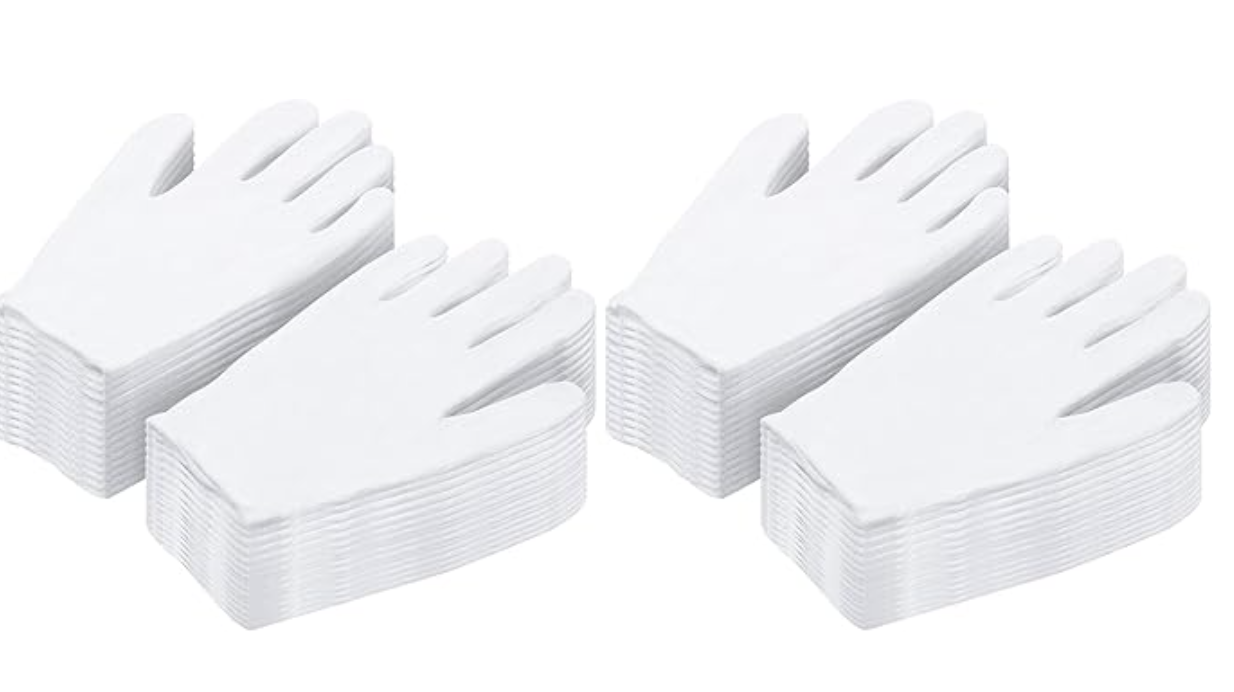
If you struggle with eczema or dry skin, I recommend buying a few sets of cotton gloves. They allow for greater dexterity than most gardening gloves, but they also provide a barrier against the drying effects of soil, the sticky resins of tomato plants, and just the general onslaught of the sun. If you get cracks, wear a clean pair overnight with lotion or salve on your hands to speed healing.
In conclusion
Everyone and every body is different, so you may or may not require some of these things. Most importantly, know your own personal risk level and constitution, and honor that. If you know something is a problem for you, explore ways to proactively prevent it. Don’t forget to check yourself thoroughly for ticks, and shower as soon after your work shift as you can. This will all serve you well in having a long and fulfilling experience as a grower. Let me know in the comments of anything I missed, or that you tried.
Wishing you all a happy summer season of abundance.
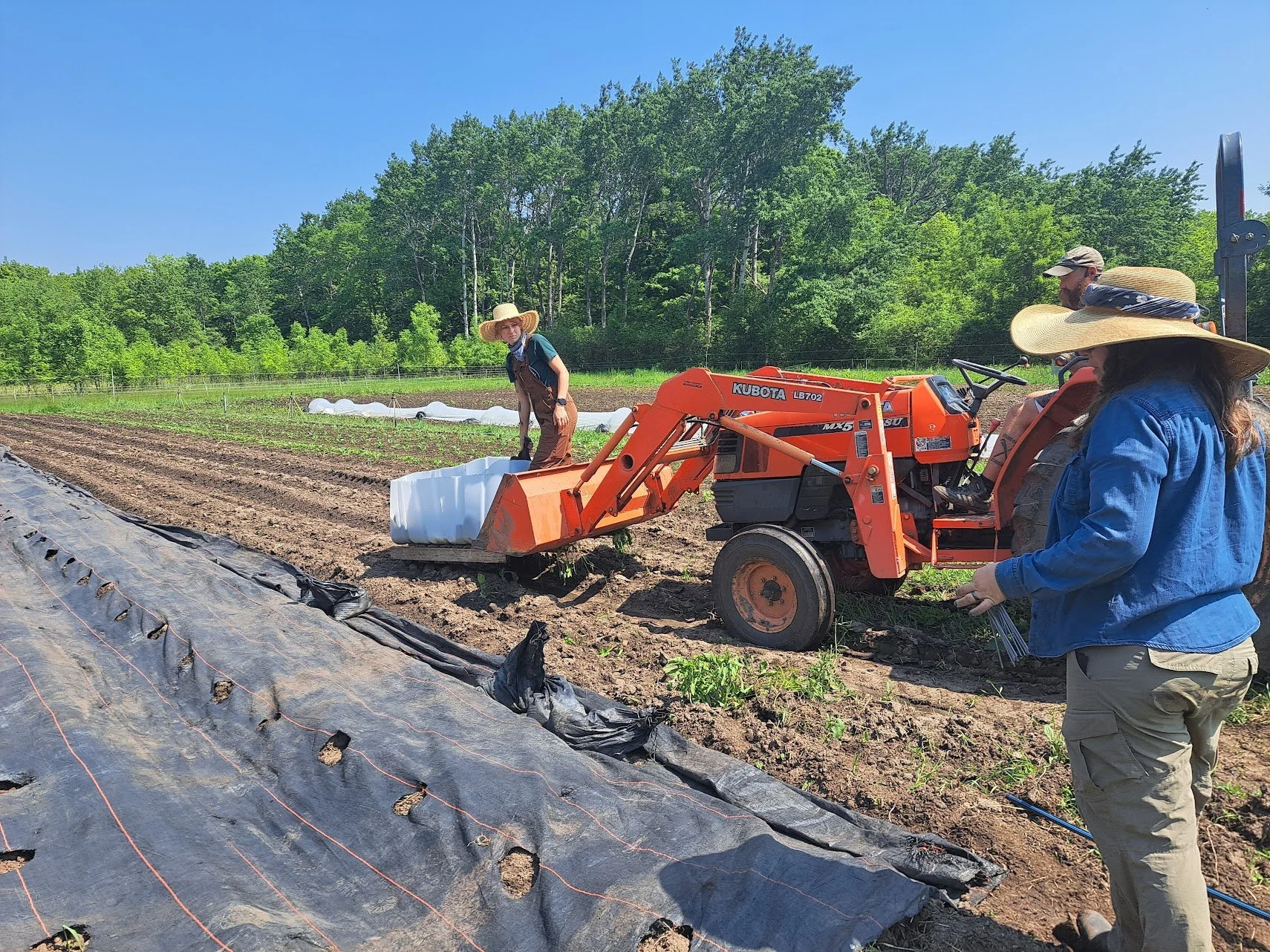
Farmer Rox